

What is the best moisture-wicking fabrics for t-shirts as classy casual mens & womens outfits?
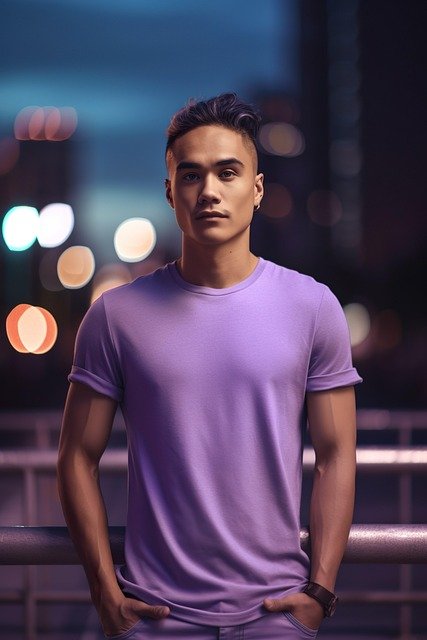
The type, structure, and construction of the fabric is more important when you are looking for a good moisture-wicking t-shirt as classy casual mens & womens outfits. T-shirts are the best smart casual menswear, business casual dress for men and smart dress casual for women as well in summer. The best moisture-wicking fabrics for t-shirts can be synthetic fabric, natural fibre and blends. These fabrics can also offer the best comfort for polo shirts: https://vicvalyfashion.com/what-is-the-best-moisture-wicking-fabrics-for-polo-shirts-as-smart-casual-or-office-wear/. The polyester and nylon are the synthetic options, merino wool and bamboo are the natural sources. There are various blends that combine the best properties of natural and synthetic fibres. Polyester and nylon are durable and efficient at moving moisture, while merino wool and bamboo are softer and offer additional benefits like temperature regulation and breathability. This article is subdivided into several sections as below: how moisture-wicking works; then the best fabrics to look for; what to avoid; and some practical buying/care tips.
1. How does moisture-wicking work?
Fibres are the raw material used to make textile items. They are spun or twisted together to make yarns.
Yarns are made from fibres from either natural or synthetic sources. They are interlaced, interlooped or bonded together to make fabrics.
Fabrics are made from yarns. Different fabric types are produced by different methods of joining the yarns together.
How moisture-wicking works
Step 1: Hydrophilic fibres pull water since water molecules naturally bond with the molecules of these fibres.
Step 2: Hydrophobic fibres push water since water molecules don’t bond with the molecules of these fibres.
Step 3: Capillary action occurs through the force of adhesion, pulling water molecules upward.
Step 4: They also rely on hydroscopy to release moisture vapour into the air.
Moisture-wicking fabrics are designed to pull sweat off your skin and transport it to the surface of the fabric where it can evaporate. The mechanism is often capillary action—tiny channels or fibres that draw the moisture away from the body. Good wicking fabrics also tend to dry quickly, allow air (breathability), and prevent the fabric becoming saturated (which would then feel heavy or clingy). Conversely, fabrics that absorb moisture and hold it (rather than moving it out) are less desirable if your goal is “stay dry.” For example, cotton is often cited as a poor wicking choice.
2. Best fabric choices for moisture-wicking t-shirts
Here are some of the top fabrics you’ll see in moisture-wicking t-shirts, with pros/cons:
A. Polyester (including performance/micro-poly blends)
Pros:
- Very common for performance wear because it’s hydrophobic (i.e., resists water) and thus can push sweat to the outer surface and dry fast.
- Durable, relatively lightweight, often affordable.
Cons:
- Can retain odours more than natural fibres unless treated.
- Some cheaper versions may compromise breathability or comfort.
B. Nylon / Polyamide blends
Pros:
- Good durability and quick‐drying properties; also used in activewear.
- Often paired with stretch (spandex/Elastane) for fitted tees.
Cons:
- Might cost a little more; some versions may feel more “technical” than casual.
C. Natural fibres (or blends): e.g., Merino Wool, Bamboo, Lyocell/Tencel
Merino Wool
- Excellent for moisture management + temperature regulation + odour resistance.
- More expensive; may feel different than cotton, and drying time may be a little slower than synthetics in some cases.
Bamboo, Lyocell/Tencel
- These are plant-based/wood-derived fibres with good moisture wicking, soft feel, sustainability credentials.
- Less common in pure “sport performance” gear (but good for everyday moisture-managing tees), may cost more, durability may vary.
D. Blends & enhanced fabrics
- Many t-shirts use blends like Polyester and Spandex/Elastane (for stretch & fit) or natural fibre blends (e.g., Merino and synthetic) to get both comfort and performance.
- Some branded technologies (e.g., “Dri-FIT”, “Coolmax”) are essentially polyester mixes engineered for better wicking.
3. What to avoid (or use with caution)
- 100% cotton: While cotton is breathable, it absorbs sweat and holds it rather than moving it away, which means the fabric becomes wet, heavy and stays wet longer.
- Fabrics that are claimed to be “moisture-wicking” but don’t have the structure/fibre content to back it up—look for actual material details rather than just a marketing label.
- Very heavy weight fabrics or tightly woven synthetic fabrics may feel hot or restrict airflow, reducing the benefit of the wicking. Good fabric structure matters.
- Fabrics that have high hydrophobic content but low breathability may push sweat away from skin but still trap heat. Care needed depending on environment.
4. Best picks for specific uses
- For high intensity workouts / gym → go for synthetic performance fabrics (polyester or polyester blends) for fast wicking and drying.
- For everyday wear/commute → natural plus synthetic blends (e.g., Merino/synthetic) or plant-based fibres (bamboo, Lyocell) that manage sweat but have a nicer hand feel.
- Hot/humid climate → fabrics that maximise airflow and wicking: lightweight synthetic or high‐quality Merino/plant‐based.
- Cold / layering → natural fibres like Merino wool are great base layers because they wick and regulate temperature even when damp.
5. Care & buying tips
- Check the label: fibre content (polyester, nylon, Merino wool, Lyocell etc), weight/knit (lighter fabrics dry quicker).
- Look for terms like “moisture-wicking”, “dry-fit”, “quick-dry”, but cross-check the fiber content.
- Avoid or minimise fabric softeners when washing performance fabrics: softeners can clog fibres and reduce wicking ability.
- Wash in cool water and tumble or hang dry as per instructions to preserve fabric properties.
- If a shirt still feels soaked or heavy after a workout, it may not be true wicking material (or maybe it’s too saturated/too heavy).
- For natural fibre wicking shirts (like Merino or bamboo blends), check for quality (e.g., fine wool micron count, good stitching) because they may cost more.
You can design your own t-shirt in Australia in our custom t-shirt store at https://www.shopanfit.com.au/fashion-apparel/